
For years, luxury residential buildings competed over who had the most impressive fitness center or spa. Today, that competition is evolving into something far more holistic. Buyers are no longer asking only about amenities. They are asking whether the home itself can support how they sleep, recover, and ultimately live.
This shift is driving a new era of residential design, one that places wellness, longevity, and environmental connection at the center of the living experience. Across South Florida and beyond, developers are rethinking how architecture, light, water, and open space come together to shape daily life.
The result is a new category of luxury homes where wellness is not a feature, but a framework, embedded into every aspect of design, from orientation and materials to outdoor environments and programming.
As the wellness real estate market continues its rapid expansion, reaching $584 billion in 2024 and projected to grow to $1.1 trillion by 2029, waterfront living is emerging as one of its most powerful expressions. These homes do not simply offer views of the water. They are designed to immerse residents in it, physically, visually, and experientially.
Designing Around Light, Air, and the Rhythm of the Day
At The Residences at 1428 Brickell in Miami, wellness begins with how the building interacts with the natural world. Residences and shared spaces are oriented around the movement of the sun, supporting circadian rhythms and helping regulate sleep cycles.

Natural light is maximized throughout, while expansive terraces and open-air environments encourage residents to step outside as part of their daily routine. A sky-level outdoor yoga pavilion, complete with natural grass, creates a setting where movement, mindfulness, and nature intersect.
Rather than separating indoor comfort from outdoor experience, the design creates continuity between the two. Fresh air, sunlight, and greenery become integral to how residents live each day, reinforcing the connection between environment and well-being.
Blue Space and the Power of Waterfront Living
Water has long been associated with luxury, but in today’s residential design, it is taking on a more active role in supporting health and well-being.
At Continuum 12000 Sport & Wellness Residences, this concept is expressed through a “Waterfront Wellness” approach that transforms Biscayne Bay into a central part of the residential experience. Anchored by The Mermaid Club,™ a 150,000-square-foot sport and wellness destination built around more than 1.5 acres of submerged land, the project reimagines how residents engage with the water.
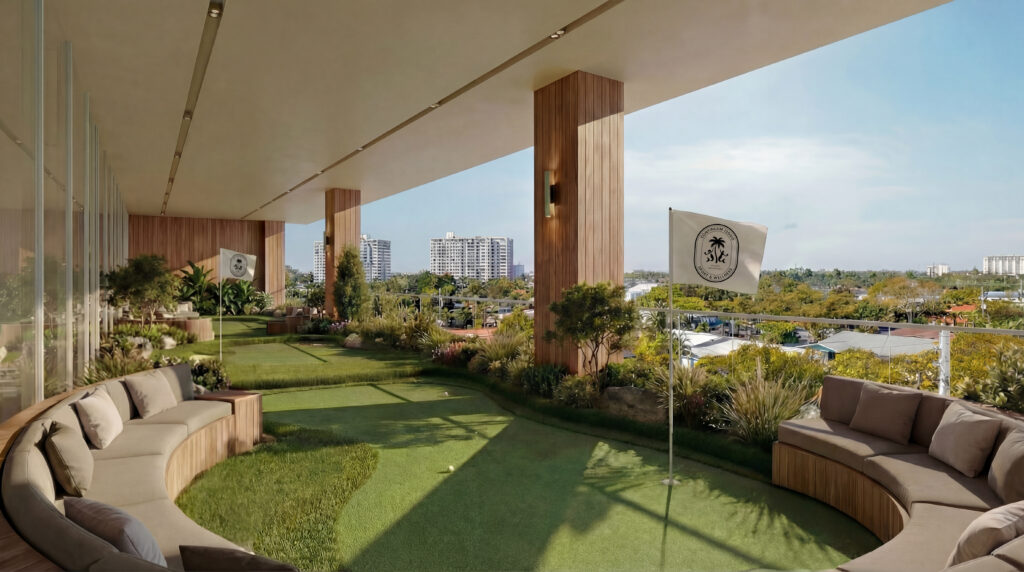
Floating pools, overwater decks, and direct water access encourage daily interaction with the bay, turning it into an active environment for movement and recovery rather than a passive backdrop. Outdoor fitness zones and water-based programming further reinforce the benefits of exercising in natural light and open air.
This integration of “blue space” reflects a broader shift in luxury real estate, where proximity to water is no longer enough. What matters is how that water is experienced, and how it contributes to a healthier, more balanced lifestyle.
A Hospitality-Driven Approach to Everyday Wellness
At Kempinski Residences Miami Design District, wellness is approached through a hospitality lens, where daily living is shaped by a combination of service, design, and environment.
Outdoor training areas and pool environments extend wellness beyond interior spaces, encouraging residents to engage with fresh air and natural light. Water remains central to the experience, with a lap pool and cold plunge forming part of a broader hydrotherapy offering.

These features are complemented by the Resense Spa, where thermal experiences and sensory design support relaxation and mental reset. Together, indoor and outdoor environments create a layered approach to well-being that reflects the rhythms of everyday life.
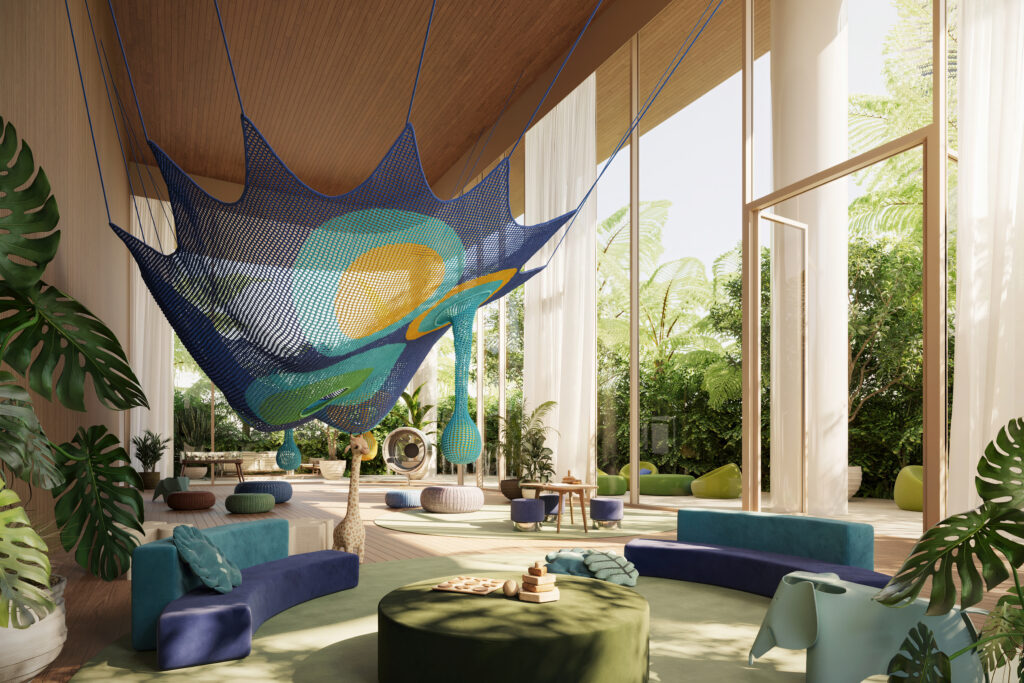
The property also incorporates multigenerational outdoor spaces, including shaded play and splash areas, reinforcing the idea that wellness is not limited to individual routines, but is shared across households and families.
Indoor-Outdoor Living as a Lifestyle Standard
The integration of indoor and outdoor environments is a defining feature of today’s wellness-focused residences, particularly in coastal markets where climate and landscape support year-round outdoor living.
At Mr. C Residences Boca Raton, this connection is evident throughout the design. Floor-to-ceiling windows and expansive private terraces allow natural light to flow into each residence, while creating a seamless transition to outdoor spaces.
The rooftop resort deck serves as a focal point, featuring an infinity pool, private cabanas, and open-air lounges that encourage residents to spend time outdoors. These environments are designed not only for relaxation, but for connection, to the surrounding landscape, to the open sky, and to one another.
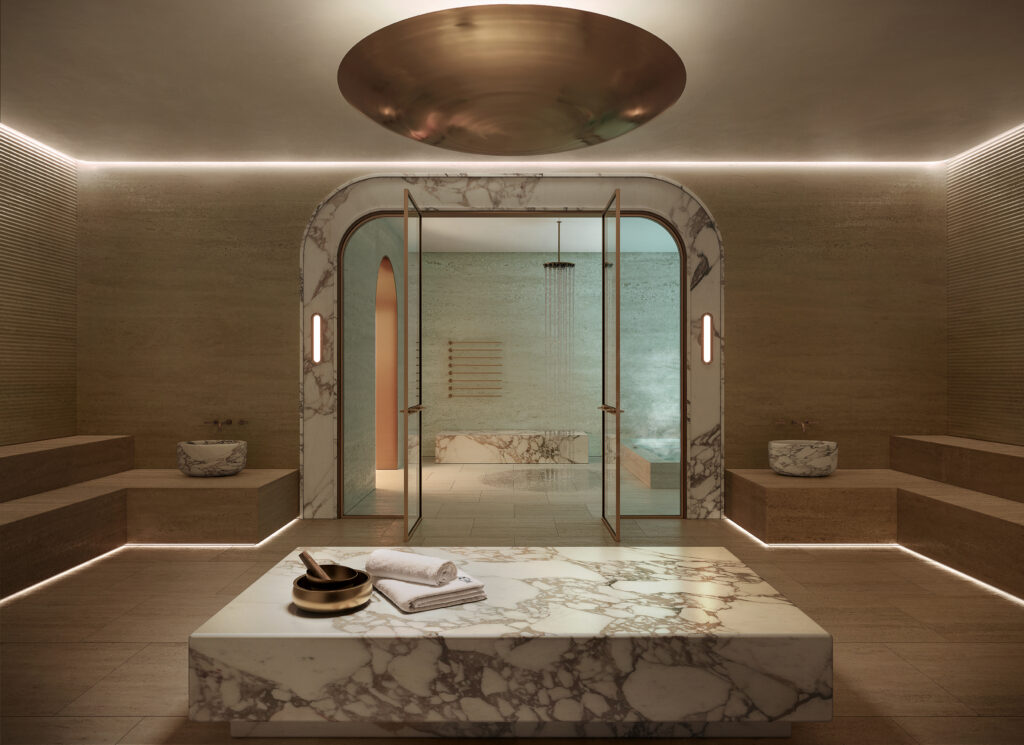
Complementing these outdoor spaces is a comprehensive wellness offering that includes a lap pool, hot and cold plunge pools, and a dedicated spa environment with a hammam, sauna, and steam room. Together, these elements create a cohesive experience where wellness is integrated into both private and shared spaces.
Nature as a Daily Experience
Biophilic design, or the integration of natural elements into architecture, is playing an increasingly important role in shaping how luxury homes support well-being.
At Viceroy Residences Fort Lauderdale, this concept comes to life through a botanical garden lounge, where landscaped lawns, fountains, and open-air art installations create an immersive outdoor setting. The space is designed to encourage residents to spend time surrounded by greenery, fostering a sense of calm and connection.
JEM Private Residences in Miami Worldcenter builds on this approach with a yoga deck and mist garden, offering a tranquil environment for mindfulness and relaxation. These spaces are intentionally designed to bring nature into daily routines, reinforcing the relationship between environment and mental well-being.
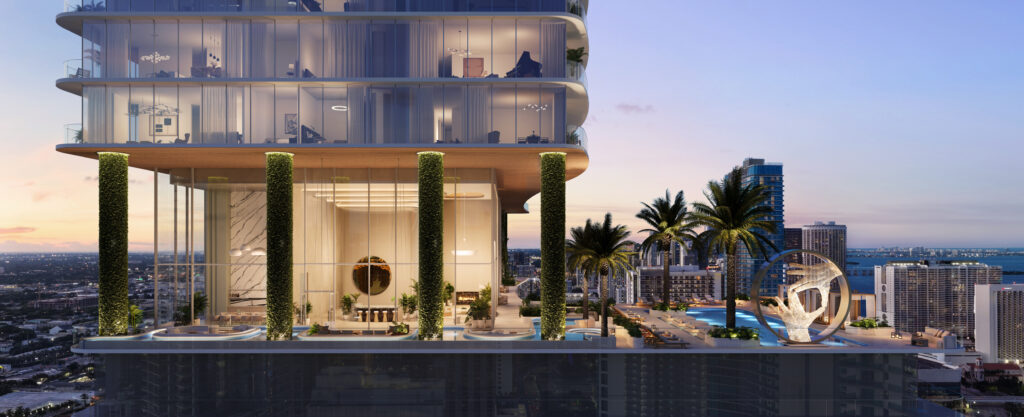
Natural materials, including wood and stone, further enhance this connection, creating interiors that feel grounded and cohesive with the surrounding landscape.
Personalizing Wellness at Home
While many developments focus on shared amenities, others are bringing wellness directly into the residence itself.
At Kolter Urban’s Olana Naples Residences, each home includes a private wellness suite designed to support recovery and relaxation. These spaces feature a steam room, dry sauna, cold plunge, therapeutic tub, and private fitness room, offering residents a highly personalized approach to well-being.
The experience is further elevated by high-touch concierge services, which provide access to personal trainers, massage therapists, and customized wellness programming. This level of service ensures that wellness is not only accessible but seamlessly integrated into daily life.
Interiors are designed to complement this approach, with light-filled spaces and carefully selected materials that promote a sense of calm and balance.
A New Definition of Luxury Living
The evolution of wellness in luxury real estate reflects a broader shift in how people define value in their homes. It is no longer enough for a residence to be beautiful or well-located. It must also support how residents feel, function, and live over time.
Waterfront properties, in particular, are leading this transformation, offering unique opportunities to integrate natural elements into everyday life. Through thoughtful design, programming, and environmental connection, these homes are redefining what it means to live well.
In this new landscape, the most important luxury may not be what a home has, but what it enables: better sleep, deeper relaxation, improved recovery, and a stronger connection to the world outside.
As developers continue to explore the intersection of wellness, longevity, and design, one thing is clear. The future of luxury living is not just about where you live, but how your home helps you live.