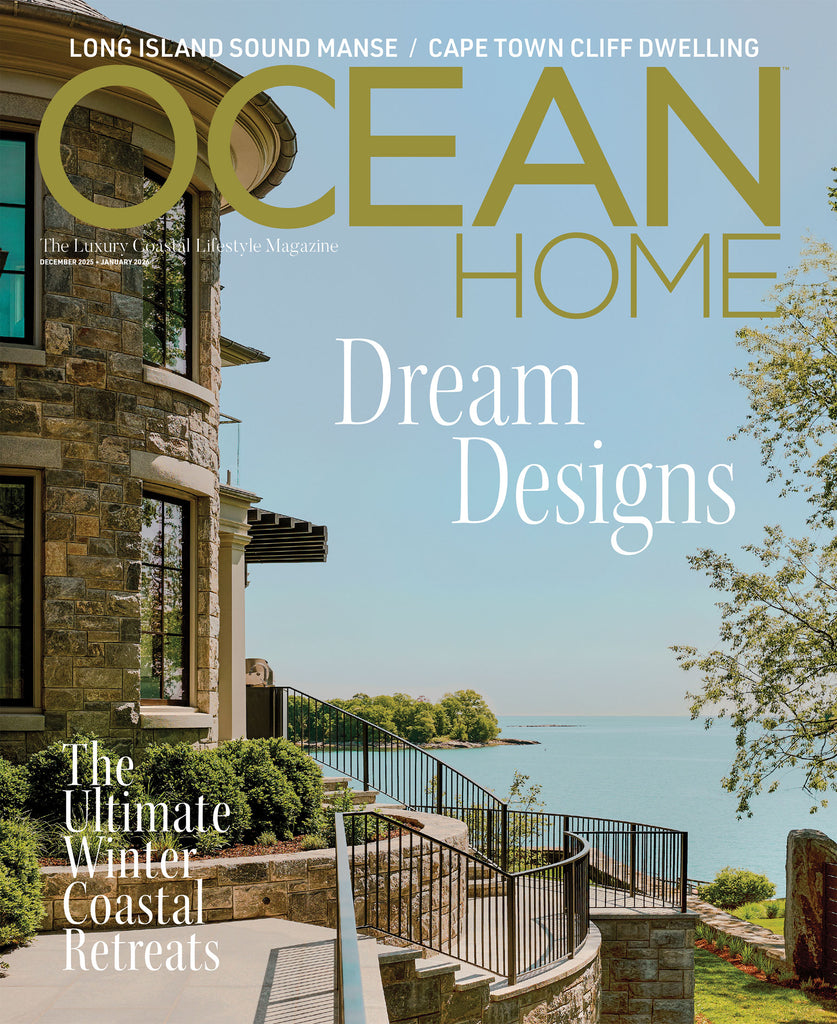

In 2026, the most compelling interiors will no longer be defined by what’s new, but by how they feel over time. According to ARRCC principal Mark Rielly, the future of design is rooted in conscious living, spaces shaped around daily rituals, sensory experience, and materials that grow richer with age rather than date quickly.
Instead of chasing novelty, today’s homeowners are seeking environments that support well-being and reflect how they actually live. “Design is becoming less about statement moments and more about orchestration,” Rielly explains. “It’s about creating a considered way of living, where experience, comfort, and longevity take precedence.”
That shift is closely tied to the way modern life now unfolds. Work, travel, and leisure are increasingly intertwined, exposing people to thoughtfully designed hotels, resorts, and private retreats around the world. Those environments—where light, texture, sound, and scent are carefully layered—have recalibrated expectations of home. The goal is no longer to replicate hospitality spaces, but to translate their sense of calm and cohesion into something deeply personal.
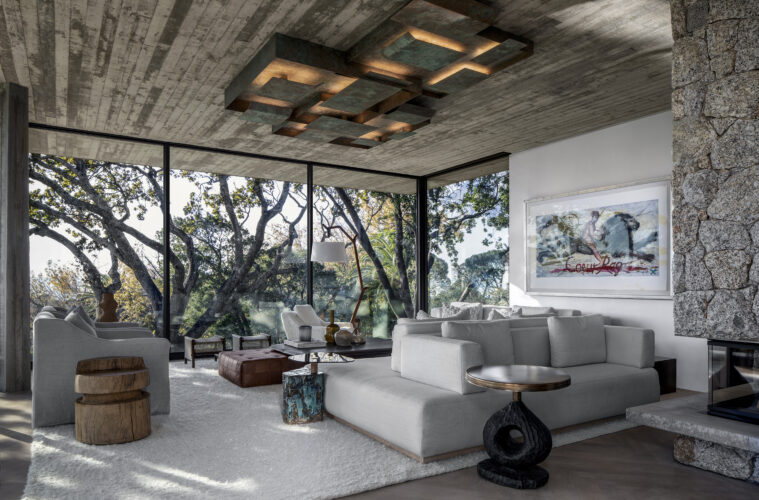
This philosophy is evident in projects that dissolve the boundary between indoors and out, where architecture responds to its surroundings rather than competing with them. Homes set against dramatic landscapes, whether coastal or mountainous, use restraint and material honesty to allow nature to remain the focal point. Clean-lined forms are softened by texture, light, and views, creating spaces that feel both intentional and restorative.
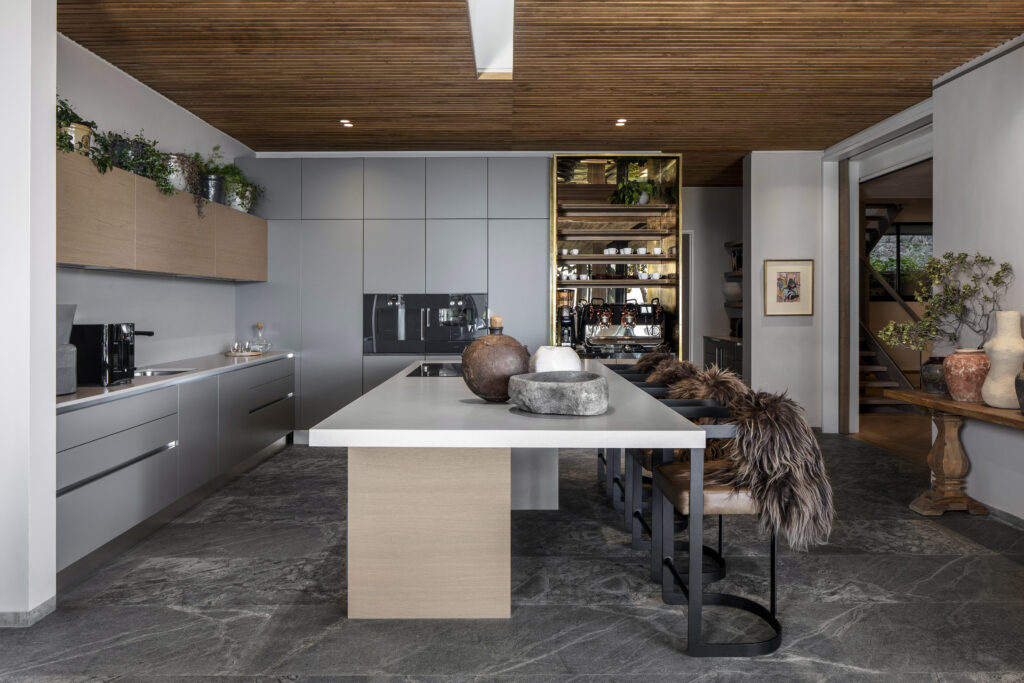
Material selection plays a central role in this evolution. Trend-driven finishes, Rielly notes, tend to lose their appeal quickly, both visually and emotionally. In contrast, materials chosen for their integrity and craftsmanship develop character over time. Timber, stone, and metal are increasingly left to patinate, revealing their age rather than concealing it. Hand-finished surfaces, artisanal detailing, and locally sourced materials add narrative depth, grounding a home in its environment and culture.
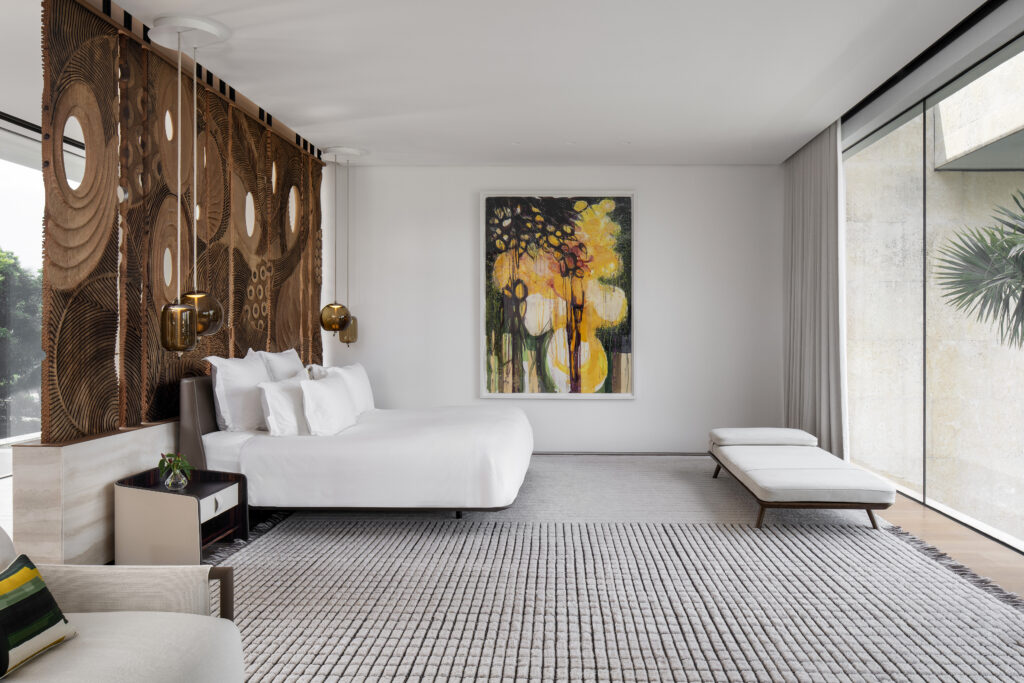
Color, too, is becoming more site-specific. Instead of following seasonal palettes, homeowners are drawing inspiration from their surroundings, like coastal blues, softened greens, and mineral neutrals that echo sea, sky, and land. These restrained backdrops allow art, objects, and collected pieces to carry emotional weight, reinforcing the idea that interiors should tell a personal story rather than follow a prescribed aesthetic.
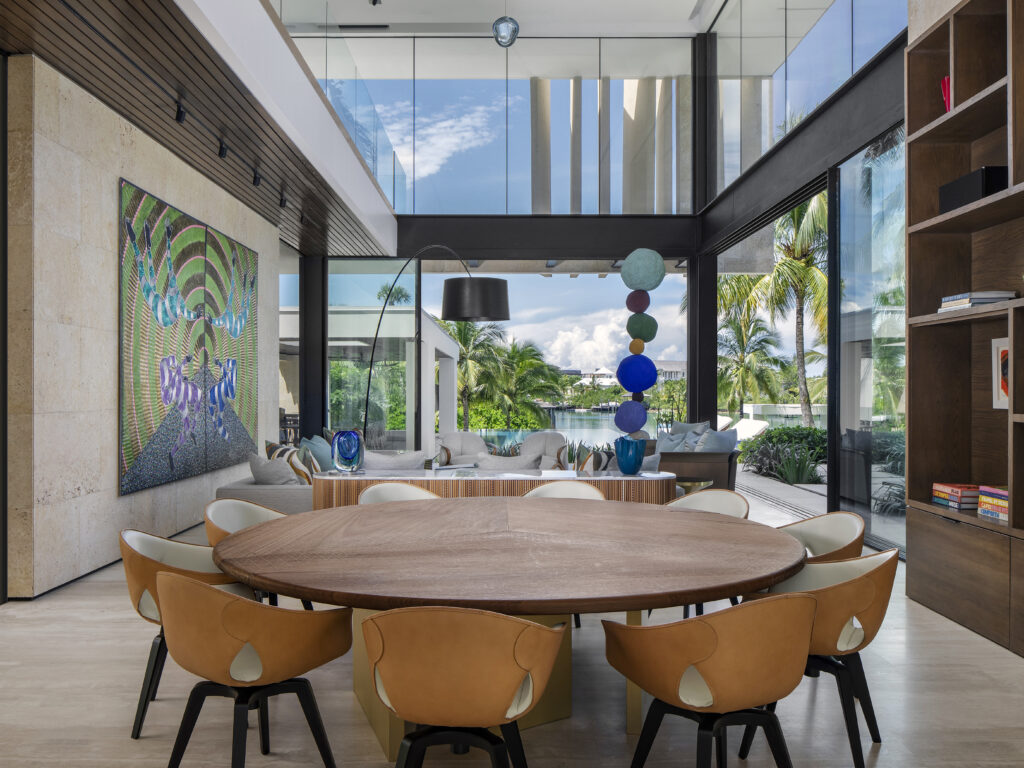
Looking ahead, Rielly identifies three principles that will define residential design in 2026. The first is lighting that aligns with daily life. Circadian-aware lighting schemes, layered and adaptable, support rest, focus, and mood while embracing darkness where it enhances comfort.
The second is provenance, an expectation that materials are responsibly sourced and crafted with an understanding of place, climate, and tradition. The third is psychological connection. Spaces must balance privacy and gathering, incorporate tactile comfort, and foster a sense of calm through biophilic cues and thoughtful layout.
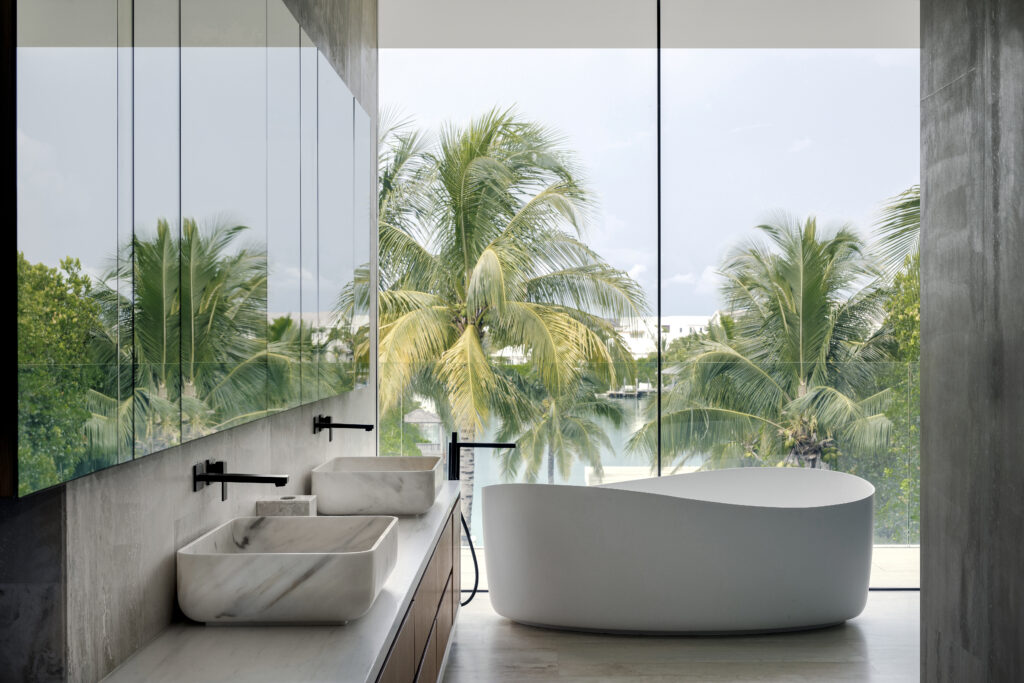
Taken together, these ideas point to a more mature approach to design, one that values restraint, authenticity, and longevity. Interiors are no longer about assembling a look, but about shaping an environment that supports how people live, rest, and connect.
As Rielly puts it, the homes that will endure are those that continue to earn their place in daily life. Designed with intention, they awaken the senses, adapt gracefully, and grow more meaningful with time, a standard of living that feels especially at home along the coast.