
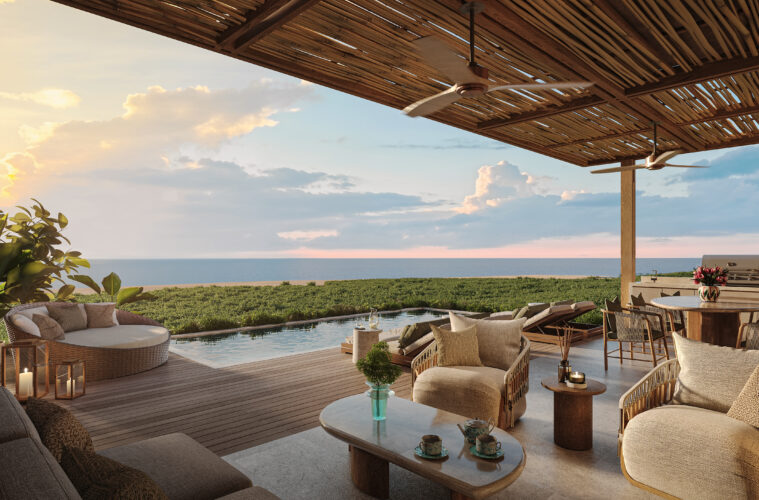
Luxury coastal real estate has always celebrated its surroundings, but today’s most compelling developments are doing more than framing ocean views. Across the Caribbean, Florida, Mexico, and Greece, architects and designers are allowing the natural landscape to shape the homes themselves. Rather than imposing architecture on a site, these communities are creating residences that respond to coastlines, preserve native ecosystems and encourage residents to engage with the environment every day.
Biophilic design has become an important influence in luxury residential development because it extends beyond aesthetics. It focuses on strengthening the relationship between people and nature through abundant daylight, fresh air, native landscaping, outdoor living spaces and architecture that feels connected to its surroundings. For coastal homeowners, that often means homes designed to capture sea breezes, maximize water views, and create a seamless transition between interior and exterior spaces.
Sarasota Celebrates Florida’s Natural Landscape
Florida’s Gulf Coast provides one example of how luxury development is embracing this philosophy. At Waldorf Astoria Residences Sarasota, the landscape has been designed as an active part of residents’ daily lives rather than decorative scenery. Citrus groves featuring grapefruit and orange trees allow homeowners to harvest fresh fruit while resort-style pools, hot and cold plunge pools, and expansive gardens create spaces centered on wellness and outdoor living.
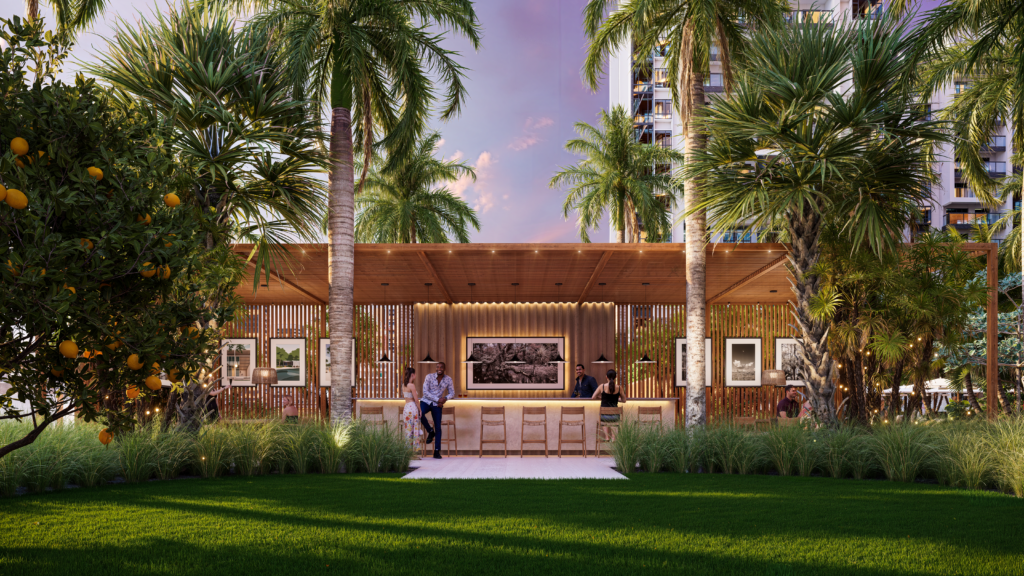
The development demonstrates that biophilic design is not simply about adding more greenery. It is about creating opportunities for residents to interact with nature in meaningful ways while enhancing the luxury experience through thoughtfully designed outdoor environments.
Turks and Caicos Blends Indoor and Outdoor Living
Few destinations lend themselves to biophilic design more naturally than Turks and Caicos. At Arc at South Bank on Providenciales, designer Piero Lissoni has created 17 Sky Villas that celebrate the island’s beauty through expansive outdoor living environments. Each residence includes generous terraces with outdoor kitchens, private pools, showers, and gardens, allowing homeowners to spend much of their day immersed in the tropical landscape.
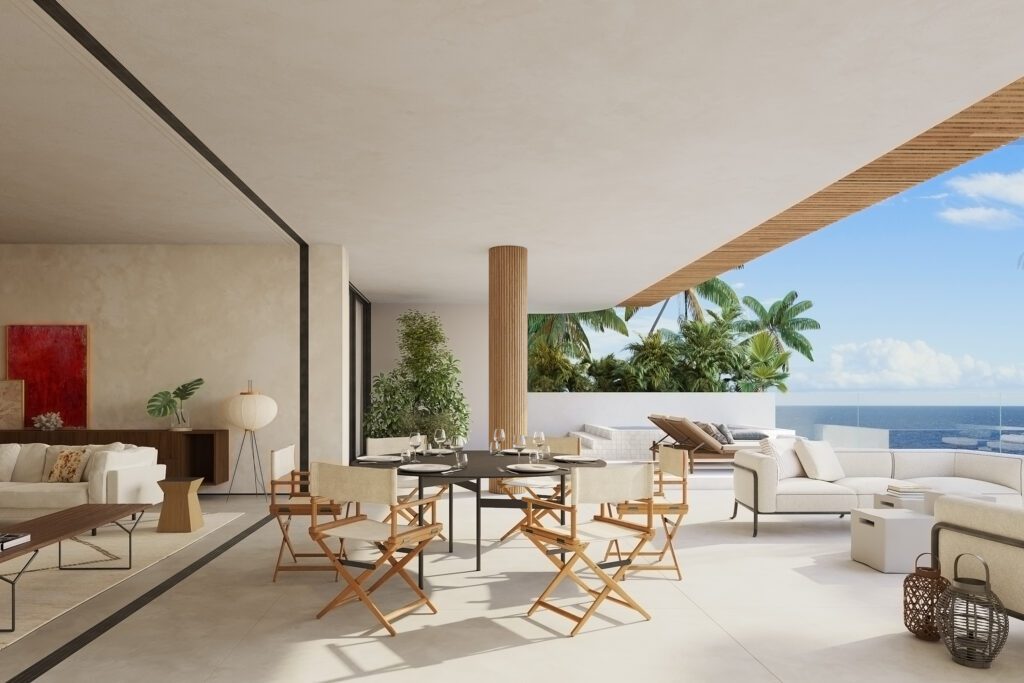
Nearby, The Point by Grace Bay Resorts takes a similar approach through soaring ceilings, floor-to-ceiling openings and expansive terraces that capture Caribbean views and cooling ocean breezes. Natural stone, solid timber cabinetry and carefully selected finishes reinforce the connection between the residences and their surroundings while creating interiors that feel calm, comfortable, and deeply rooted in place.
Private Islands Put Nature First
In the Bahamas, The Residences at Montage Cay demonstrates how biophilic principles can define an entire private island community. Located on a 53-acre island in the Sea of Abaco, every residence has been positioned to maximize water views while expansive glass walls welcome natural light and ocean breezes throughout the interiors.
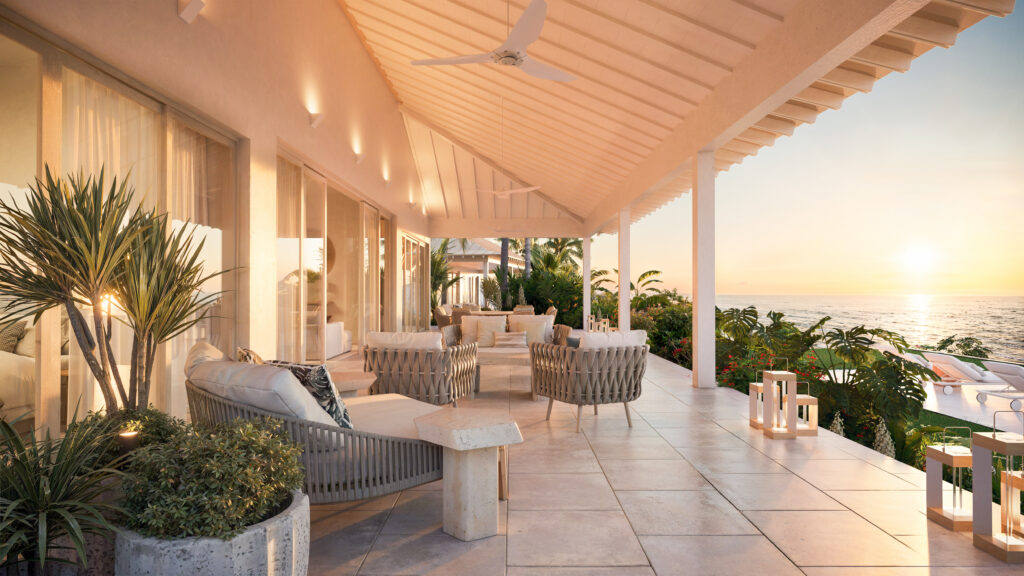
Owners can personalize homes with private pools, outdoor kitchens and generous lounge areas that blur the distinction between indoor and outdoor living. Beyond the residences, the island offers nature-inspired amenities including waterfront recreation, marine activities, spa experiences and a deepwater marina, reinforcing a lifestyle centered on the surrounding environment.
Riviera Maya Protects the Landscape
One of the strongest examples of environmentally sensitive luxury development can be found along Mexico’s Riviera Maya. Mandarin Oriental Residences Kanai, Riviera Maya, was designed to exist within mangroves, tropical jungle, and coastline rather than replacing them. The broader Kanai master plan preserves 91 percent of the property as conservation land, allowing the natural environment to remain the defining feature of the community.
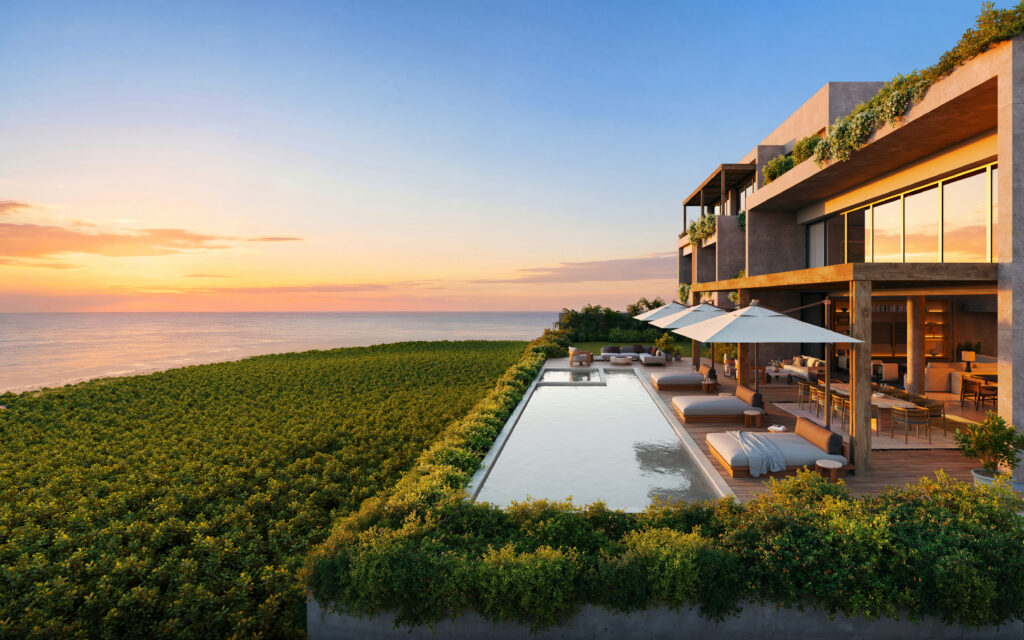
Architecture appears to emerge from the landscape through organic materials, layered outdoor spaces and native plantings that strengthen the relationship between residents and the surrounding ecosystem. The result is a low-density residential community where wellness, privacy, and environmental stewardship work together.
Coastal Living Extends Beyond the Home
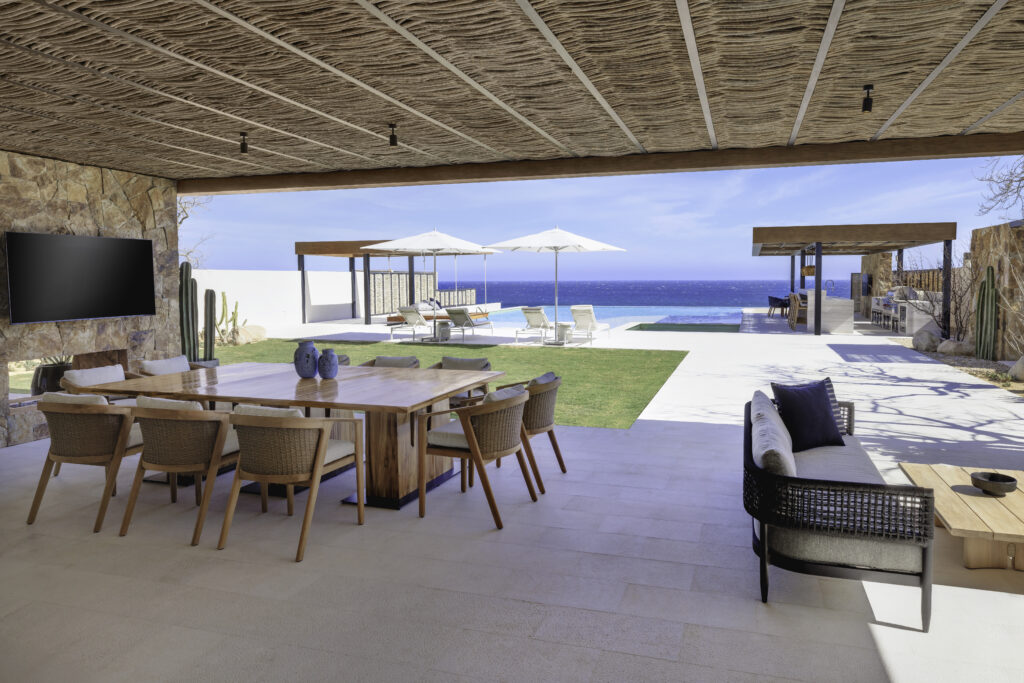
The Residences at The St. Regis Los Cabos continues this philosophy on a dramatic 33-acre oceanfront site overlooking the Pacific. Six-bedroom villas feature 60-foot infinity pools and direct beach access while luxury townhomes include private swimming pools and expansive terraces oriented toward the coastline. Throughout the community, architecture prioritizes uninterrupted views, natural light, and effortless indoor-outdoor living.
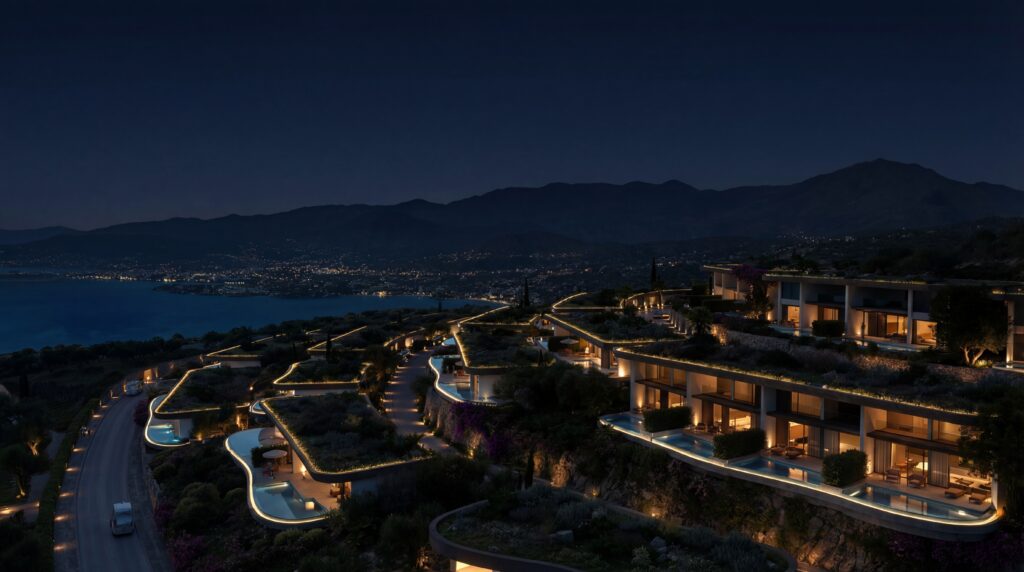
In Greece, Elounda Hills overlooks Mirabello Bay on the island of Crete where residences follow the natural contours of the hillside instead of reshaping it. Expansive terraces, landscaped gardens, vineyards, olive groves, walking paths, and a private beach encourage residents to experience the Mediterranean landscape as an extension of home rather than a backdrop.
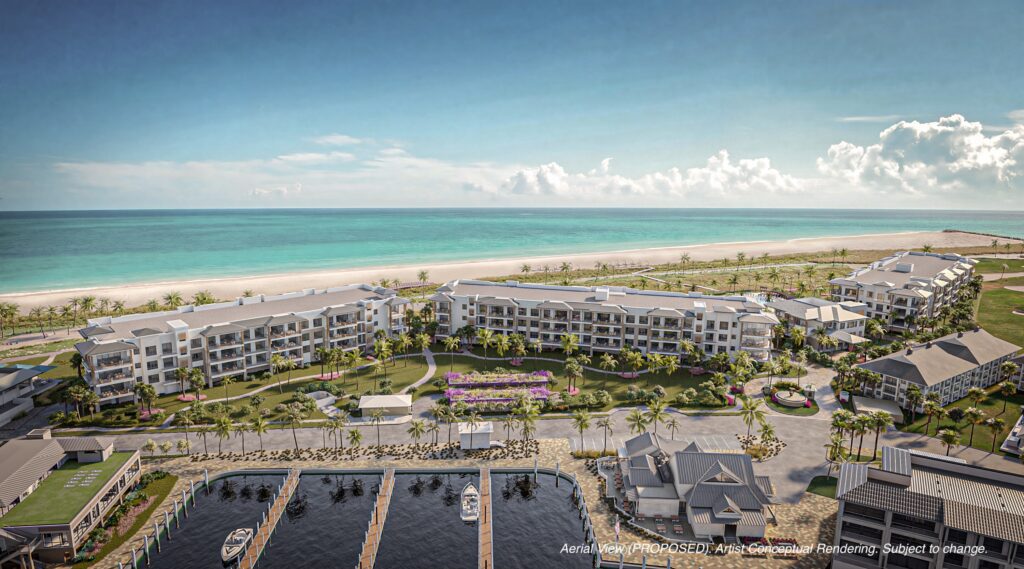
As the first new residential development on Captiva Island in more than 30 years, Timbers Captiva Club & Residences offers a thoughtful expression of what “New Old Florida” can look and feel like today. MHK Architecture and BLUR Workshop are embracing the growing movement toward biophilic design, creating a strong connection between the residences and Captiva’s natural Gulf Coast environment. Generous indoor-outdoor spaces including expansive terraces and shaded public areas, natural materials, layered rooflines, and the interplay of light and shadow bring the surrounding landscape into the experience of everyday living. These principles are melded with modern resiliency and a Coastal Contemporary aesthetic, demonstrating how the timeless character of Old Florida can be thoughtfully reimagined for today’s coastal lifestyle, preserving a sense of place while embracing the future.
Designing Around Nature
As luxury buyers continue to seek homes that support wellness and authentic connections to their surroundings, biophilic design is becoming a defining characteristic of premier waterfront communities. Whether overlooking the Gulf of Mexico, the Caribbean Sea, the Pacific Ocean, or the Mediterranean, today’s most desirable developments recognize that the landscape is not simply something to admire. It is one of the home’s greatest amenities. Rather than competing with the coastline, these residences embrace it through architecture that welcomes natural light, captures prevailing breezes, preserves native ecosystems, and encourages outdoor living. The result is a collection of homes where luxury is measured not only by craftsmanship and amenities, but also by the quality of the connection between people and place.